

Hill Research CEO Dr. Louise Liu Named Among Greater Boston’s 2026 Ten Outstanding Young Leaders
News originally published by
EIN Presswire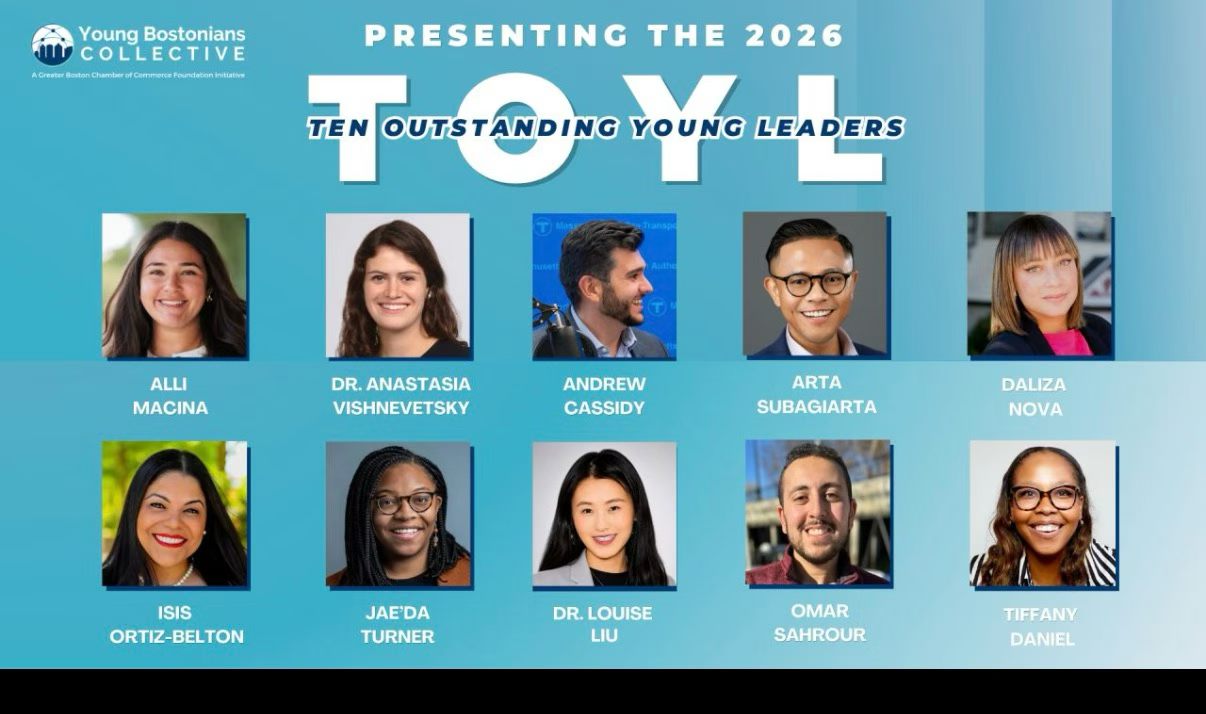

Boston biotech entrepreneur honored for using AI to streamline clinical trials, advance pharma research, and drive life sciences innovation.
BOSTON, MA, UNITED STATES, November 12, 2026 /EINPresswire.com/ -- Reporter Xiangning Liu | Dr. Louise Ruihua Liu, founder and CEO of Hill Research, has been named one of the Greater Boston Chamber of Commerce Foundation’s 2026 Ten Outstanding Young Leaders, recognizing her contributions to artificial intelligence, biostatistics, clinical research innovation and community leadership.The annual Ten Outstanding Young Leaders (TOYL) Awards recognize emerging professionals whose achievements in business, technology, public service and community engagement have contributed to the economic and social development of Greater Boston.
Dr. Liu’s selection highlights the growing role of artificial intelligence in the region’s life sciences industry, where biotechnology companies, research institutions and pharmaceutical developers are increasingly exploring technology to improve the efficiency of clinical trials and accelerate drug development.
Through Hill Research, Dr. Liu has focused on applying generative AI to one of the pharmaceutical industry’s most demanding processes: preparing, analyzing and validating clinical trial data for regulatory review.
The company’s flagship platform, TriClick, uses AI-driven automation to support clinical data processing, statistical programming and regulatory submission workflows, with the goal of reducing the time and resources required to bring new treatments through clinical development.
Her recognition also reflects the increasing visibility of Chinese American entrepreneurs and women leaders in Greater Boston’s technology and biotechnology sectors.
A Recognition of Leadership and Regional Impact
Established by the Greater Boston Chamber of Commerce Foundation, the Ten Outstanding Young Leaders Awards have long recognized young professionals who demonstrate leadership in their respective industries while contributing to the broader community.
The program honors individuals under 40 whose work reflects professional achievement, innovation and civic engagement. Recipients represent fields including healthcare, technology, entrepreneurship, education, government, nonprofit leadership and professional services.
The awards are part of the chamber’s broader efforts to develop emerging talent and strengthen Greater Boston’s long-term economic competitiveness.
Previous recipients have included business executives, public officials and community leaders who later assumed prominent roles in Massachusetts and across the United States.
The selection process considers professional accomplishments alongside candidates’ contributions to their organizations, communities and the region.
For Dr. Liu, the recognition comes as artificial intelligence becomes an increasingly important component of pharmaceutical research. Her work at Hill Research addresses challenges associated with the cost, complexity and duration of clinical trial data analysis.
As a Chinese American woman leading a biotechnology-focused AI company, Dr. Liu has also participated in initiatives supporting entrepreneurship, scientific collaboration and community development.
The recognition places her among a group of emerging leaders whose work contributes to Boston’s position as a major center for research, healthcare and technology.
From Academic Research to Biotechnology Entrepreneurship
Dr. Liu’s approach to clinical research technology is rooted in her academic background in biostatistics, data science and business.
She completed her doctoral and Master of Business Administration studies at the Chinese Academy of Sciences before pursuing postdoctoral research at Yale University.
During her postdoctoral research at Yale, Dr. Liu further developed her expertise in statistical modeling, clinical trial design and the analysis of complex biomedical data.
Her research experience involved applying statistical methods to clinical and scientific problems, providing a foundation for her later work in pharmaceutical data management and AI-assisted statistical programming.
Throughout her academic career, she contributed to research involving computational methods and advanced statistical analysis, with work published in scientific journals.
Her training also gave her insight into the practical challenges researchers face when translating scientific findings into treatments that can be evaluated in clinical studies.
Although new drug development depends on scientific discovery, the process also requires extensive clinical testing, documentation and regulatory review.
Clinical trials generate large amounts of patient information that must be collected, standardized, analyzed and verified before pharmaceutical companies can submit results to regulatory agencies.
Dr. Liu identified the management of this information as a significant obstacle in the drug development process.
Her business education helped connect that scientific understanding with the operational and financial challenges facing pharmaceutical companies.
While researchers focus on the safety and effectiveness of potential treatments, drug developers must also manage the costs of specialized personnel, data processing, regulatory compliance and complex project timelines.
Combining those perspectives ultimately influenced Dr. Liu’s decision to move from academic research into entrepreneurship.
She founded Hill Research in Boston to explore how generative AI and advanced data science could improve clinical research workflows while maintaining the scientific standards required for pharmaceutical development.
Hill Research Targets Bottlenecks in Clinical Trial Data Processing
Clinical trials represent one of the most resource-intensive stages of pharmaceutical development.
Before a new drug can receive regulatory approval, its developer must provide extensive evidence supporting its safety and effectiveness. That evidence includes clinical data, statistical analyses and documentation prepared in accordance with applicable regulatory requirements.
For submissions to agencies such as the U.S. Food and Drug Administration and the European Medicines Agency, pharmaceutical companies must organize and validate large amounts of clinical information.
The process often requires teams of biostatisticians, statistical programmers, clinical data managers and regulatory specialists working across multiple stages of data preparation and analysis.
Tasks may include cleaning datasets, identifying inconsistencies, converting information into standardized formats, conducting statistical analyses and producing the tables, listings and figures used in clinical study reports.
Industry standards developed by the Clinical Data Interchange Standards Consortium, including SDTM and ADaM, help organize clinical trial data for analysis and regulatory review.
Meeting those requirements can involve substantial manual programming, repeated quality checks and coordination between specialized teams.
The preparation of a major clinical trial data package can take months and require millions of dollars in personnel and associated costs, depending on the size and complexity of the study.
In a May 2026 interview on the Future of Drug Discovery podcast, the scale of a typical Phase 3 statistical programming project was described as requiring approximately eight programmers, six months and $8 million.
Hill Research is seeking to reduce that workload through TriClick, a platform designed to automate selected statistical programming and data processing tasks using generative AI.
According to the company, TriClick integrates large language models with established clinical data standards and programming requirements to generate, organize and validate information used in regulatory submissions.
The system is designed to support workflows involving data transformation, statistical analysis and the preparation of submission-ready outputs.
Hill Research says certain processes that traditionally require months of manual work can be completed substantially faster through AI-assisted automation.
The company has described a workflow in which one specialist, supported by TriClick, can complete selected data processing and reporting tasks in approximately 90 minutes, compared with a conventional process involving a larger team over several months.
That comparison reflects the company’s reported use of the technology and should not be interpreted as a universal timeline for every clinical trial or regulatory submission.
The platform’s approach also emphasizes human review. Statistical experts remain responsible for evaluating results, verifying outputs and ensuring that automated processes meet scientific and regulatory expectations.
For pharmaceutical developers, the potential benefits extend beyond reducing labor requirements.
Shorter data processing cycles could allow research teams to evaluate findings more quickly, identify problems earlier and spend more time addressing clinical questions rather than repetitive programming tasks.
Demonstrations, Industry Engagement and Commercial Development
Hill Research has also used technical demonstrations to illustrate how AI-assisted analysis can identify errors in complex clinical reports.
At a biotechnology and AI roundtable in Boston, Dr. Liu discussed an example involving the company’s technology and a report produced by a competing system.
According to Hill Research’s account of the demonstration, its platform examined the report and identified 36 technical errors and data inconsistencies within approximately 10 minutes.
The company presented the example as evidence of TriClick’s ability to support rapid quality assessment and reduce the burden of manual verification.
The reported findings also illustrated the importance of identifying discrepancies that could affect the accuracy, consistency or interpretation of clinical research data.
Such capabilities are particularly relevant in regulated environments, where data integrity, reproducibility and documentation are essential.
Hill Research has expanded its presence within the biotechnology sector through industry meetings, technology presentations and engagement with pharmaceutical companies.
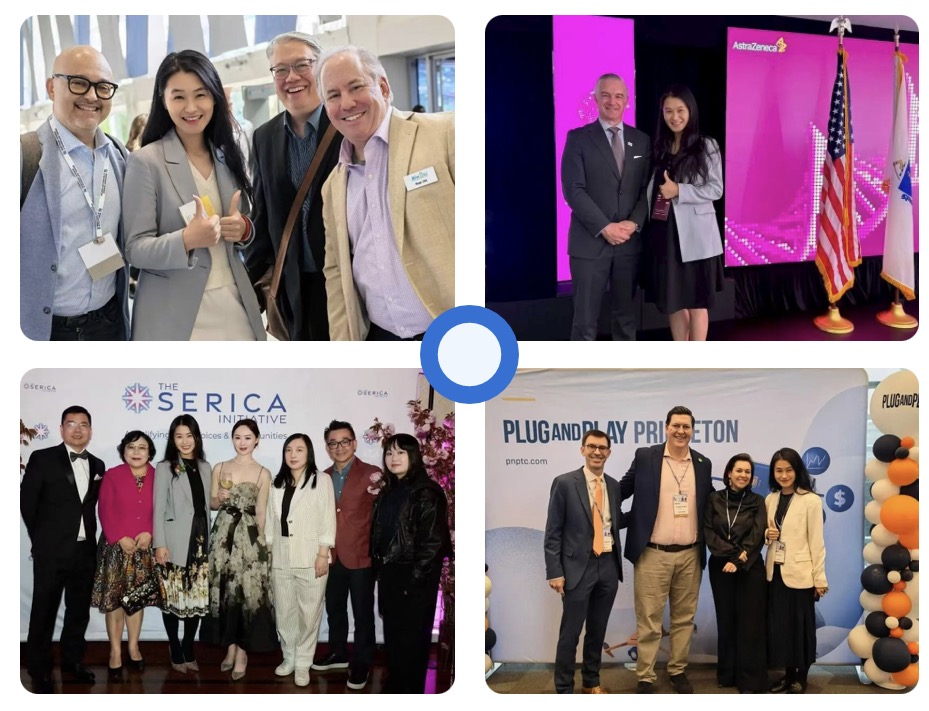
The company was among the organizations invited to AstraZeneca’s Kendall Square research and development center opening in Cambridge, Massachusetts.
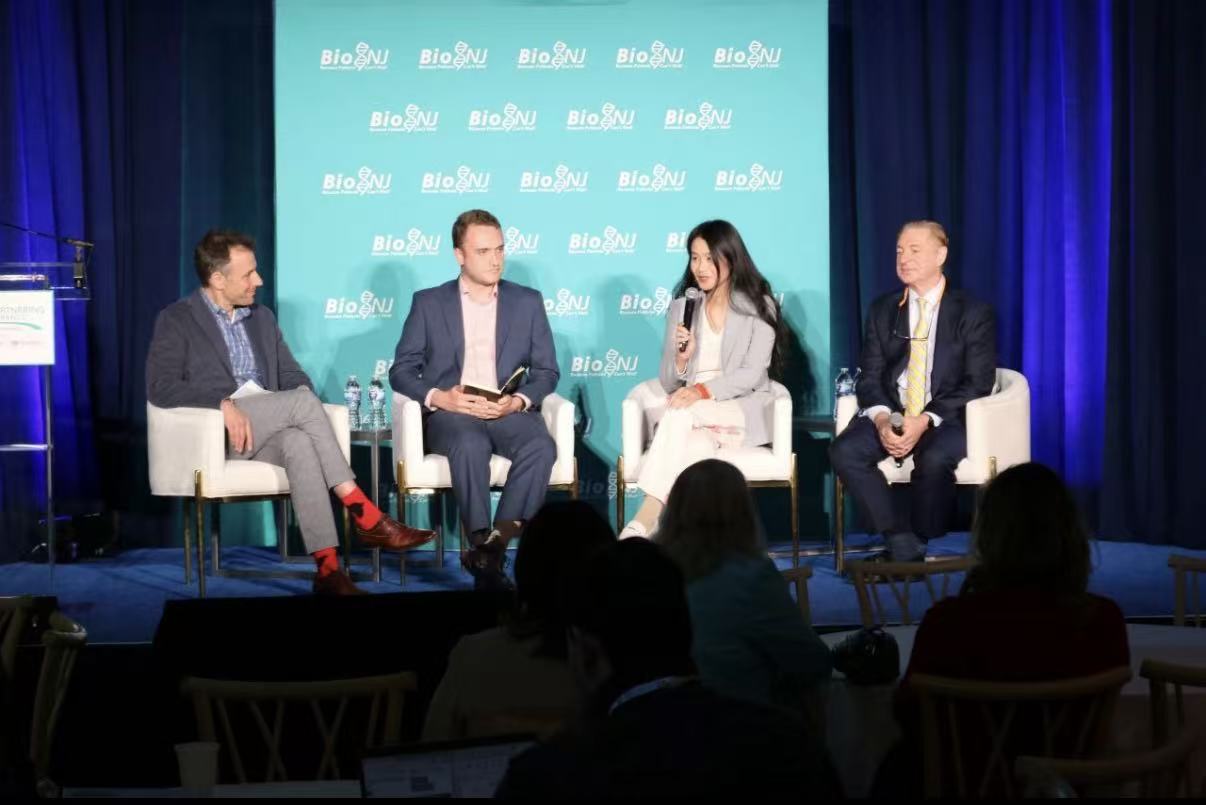
Its executives have also participated in technology and life sciences events, including a16z Boston Tech Week and BioNJ industry gatherings, where discussions have focused on AI applications, pharmaceutical innovation and the future of clinical development.
These activities have provided opportunities for Hill Research to engage with researchers, industry executives and investors exploring the role of AI in drug development.
The company has positioned TriClick as a specialized system for clinical biometrics, distinguishing its approach from general-purpose AI tools by focusing on statistical programming, clinical data standards and traceable research workflows.
Its technology reflects a broader shift toward specialized AI applications designed to support professionals working in highly regulated industries.
Rather than relying solely on language generation, these systems seek to combine automated execution with expert supervision, documentation and verification.
For Hill Research, that approach has become central to its business strategy as it continues developing tools intended for pharmaceutical and biotechnology organizations.
Recognition Across Business, Technology and Community Leadership
Dr. Liu’s 2026 TOYL recognition follows several other honors acknowledging her work in biotechnology entrepreneurship, scientific innovation and professional leadership.
In 2026, she was selected as one of the Top Ten Outstanding Chinese American Youth by the All-America Chinese Youth Federation.
The recognition highlighted young Chinese American professionals making contributions in fields including science, technology, entrepreneurship and public service.
Dr. Liu was recognized for her work connecting artificial intelligence with clinical research and pharmaceutical data analysis.
She was also named a 2026 Rising Star in Entrepreneurship by the Serica Initiative, an organization that recognizes Asian American and Pacific Islander women demonstrating leadership across business and community sectors.
The honor acknowledged her role in building Hill Research and advancing technology-driven approaches to clinical development.
Dr. Liu was additionally recognized on New Jersey’s 2026 Innovate100 list, which highlights leaders contributing to innovation and technology development.
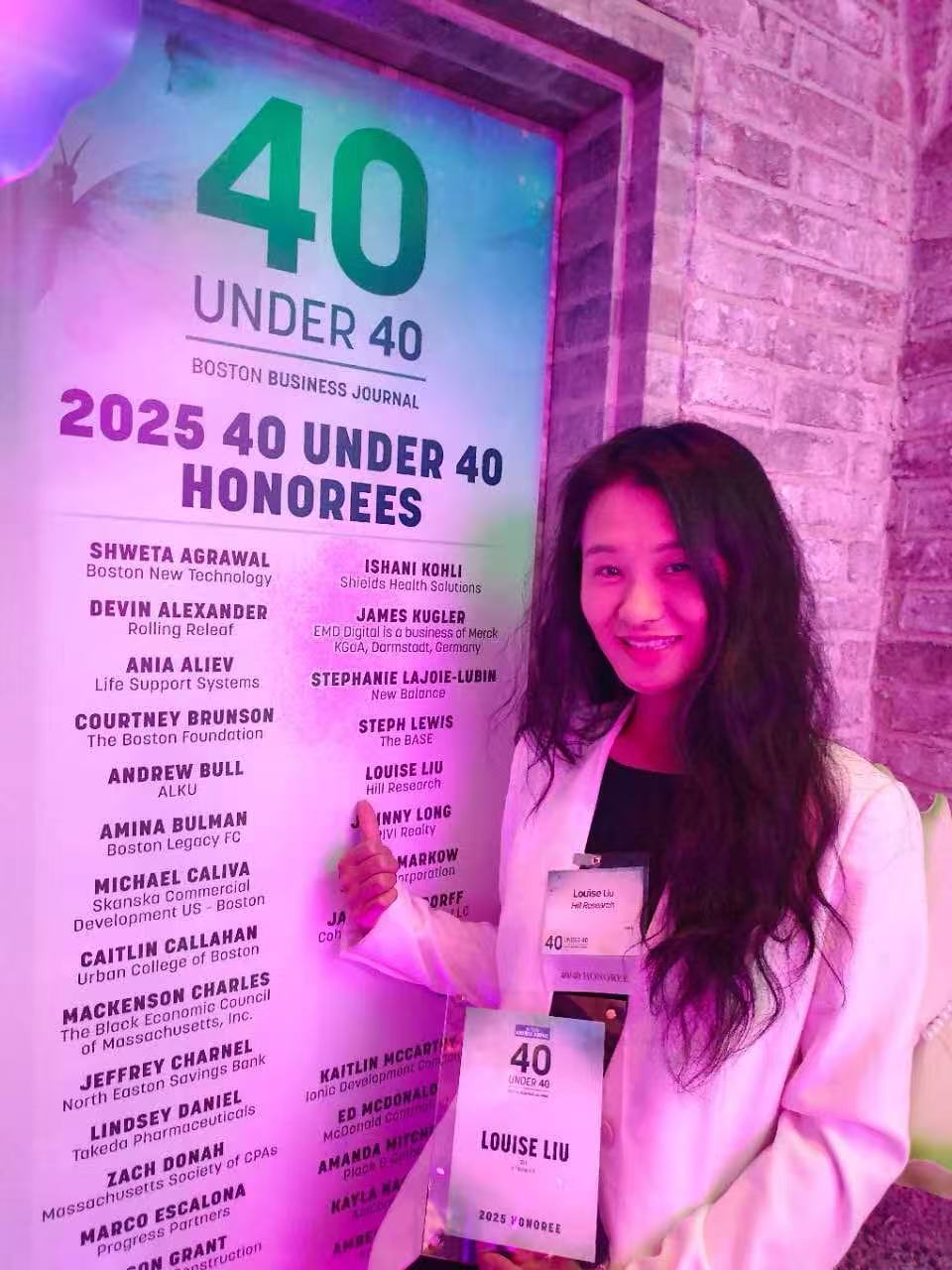
In 2025, the Boston Business Journal selected Dr. Liu for its annual 40 Under 40 list, recognizing emerging professionals whose work has influenced the Greater Boston business community.
The publication identified her leadership at Hill Research and contributions to AI-driven clinical research as central aspects of her professional achievements.
That same year, Dr. Liu received the International Business Leader Award at the Witherspoon Gala, where honorees were recognized for achievements spanning business, education, culture and community service.
Her selection acknowledged her work in AI-powered biostatistics and efforts to connect scientific innovation with broader professional and community engagement.
Together, the honors reflect Dr. Liu’s growing recognition across the biotechnology, business and Chinese American communities.
They also illustrate the increasing presence of women and Asian American entrepreneurs in sectors traditionally associated with extensive technical specialization and significant barriers to entry.
Building an AI-Native Future for Clinical Research
Looking ahead, Dr. Liu intends to expand Hill Research’s technology beyond individual automation tasks into a more comprehensive platform supporting multiple stages of clinical development.
Her longer-term vision centers on TriClick as the foundation of an AI-native clinical research system connecting electronic data capture, data management, statistical analysis and the delivery of research results.
Under that model, clinical researchers, data specialists and biostatisticians would oversee multiple specialized AI agents capable of performing tasks such as data validation, anomaly detection and statistical programming.
The system would coordinate work that is frequently divided among different teams, software platforms and operational processes.
Human expertise would remain central to the model.
Researchers and technical professionals would continue making scientific decisions, supervising processes and validating results, while AI systems would handle a greater share of repetitive execution.
Dr. Liu’s vision emphasizes common data standards, traceable processing methods and continuous quality control throughout clinical research.
By connecting those functions, Hill Research hopes to reduce operational barriers between different stages of clinical development while preserving the accuracy and accountability required in pharmaceutical research.
The company ultimately aims to shorten the period between collecting patient data and preparing information for regulatory submission.
Such improvements could allow researchers to devote more attention to scientific questions, clinical outcomes and treatment development.
The approach reflects Dr. Liu’s broader belief that artificial intelligence should strengthen professional capabilities rather than replace the judgment of scientists and clinical experts.
In remarks presented in the original article, Dr. Liu expressed appreciation for Greater Boston’s research institutions, life sciences industry and diverse innovation community.
She credited the Hill Research team for its contributions and described the recognition as a shared achievement.
Dr. Liu also emphasized her commitment to advancing the application of AI in life sciences while supporting young entrepreneurs, women in technology and Asian American communities.
Her ambitions for Hill Research align with Boston’s established role as a major center for biotechnology, pharmaceutical research and scientific entrepreneurship.
With leading universities, teaching hospitals, research organizations and biotechnology companies concentrated across the region, Greater Boston provides an environment in which scientific discoveries and commercial applications frequently intersect.
For Dr. Liu, the challenge ahead is to translate advances in artificial intelligence into measurable improvements in how clinical research is conducted.
As Hill Research continues developing TriClick and its broader AI infrastructure, the company’s progress will depend on demonstrating that faster automated workflows can consistently meet the accuracy, transparency and regulatory requirements of pharmaceutical development.
The broader goal remains the same: reducing administrative and technical burdens in clinical research so that scientists can focus more directly on developing treatments and bringing promising therapies to patients.
Dr. Liu’s recognition among Greater Boston’s Ten Outstanding Young Leaders underscores the connection between emerging technology, entrepreneurship and the region’s continuing role in global life sciences innovation.
Xiangning Liu
Greater Boston Chamber of Commerce Foundation
Legal Disclaimer:
EIN Presswire provides this news content "as is" without warranty of any kind. We do not accept any responsibility or liability for the accuracy, content, images, videos, licenses, completeness, legality, or reliability of the information contained in this article. If you have any complaints or copyright issues related to this article, kindly contact the author above.
